24/7 Emergency Response
On-site extraction and stabilization, day or night.
Emergency extraction, structural drying, and insurance documentation across North Georgia. Grady stabilizes your loss fast — moisture mapped, documented, and dried to verified standard.
Standing water gets worse by the minute.
You need a team that arrives prepared, documents the loss correctly, and dries your home to standard — without chaos.
IICRC Triple Master Certified
Restoration leadership trained to industry standards — applied consistently from emergency call through verified dry-out.
Local North Georgia Response
Crews dispatch from North Georgia with extraction and drying equipment ready — not a distant call center routing your emergency elsewhere.
Moisture Mapping & Dry Logs
We locate hidden moisture behind walls and under floors, then log daily readings until the structure meets dry standard.
Insurance Documentation
Photos, moisture readings, drying logs, and scope documentation are captured throughout the loss — built into the process, not added later.
Advanced Drying Equipment
Commercial extractors, air movers, and dehumidifiers are deployed from first arrival to accelerate extraction and structural drying.
Technical Restoration Specialists
Restoration guided by IICRC standards and field documentation your insurance carrier can review — from first arrival through verified dry standard.
From burst pipes to storm intrusion — we stabilize, extract, and document so you have a clear path to dry-out.
Burst Pipes
A supply line ruptures and releases water into walls, floors, and ceilings before you can shut off the main.
Appliance Leaks
A dishwasher, washer, or refrigerator line fails and spreads water across kitchen or laundry flooring.
Toilet Overflows
A clogged drain or backup sends water across bathroom floors and into adjacent rooms below.
Water Heater Failures
A tank rupture or connection leak releases dozens of gallons into a garage, closet, or finished space.
Flooded Basements
Sump failure, foundation seepage, or plumbing events leave a basement saturated and requiring pump-out.
Ceiling Leaks
Upper-level plumbing or roof intrusion stains ceilings, saturates insulation, and travels to lower levels.
Hardwood Floor Water Damage
Standing water causes cupping and buckling where controlled drying and subfloor monitoring are critical.
Crawlspace Water
Groundwater, drainage failure, or plumbing leaks collect below the home and affect structure and air quality.
Restoration is not placing equipment and hoping the structure dries. It is knowing materials, moisture movement, and when drying beats removal — with documentation throughout.
Documented Process
Every step is logged — from dispatch through verified dry-out. This is the sequence Grady follows on a standard water loss.
Loss details captured. Category and scope assessed. Dispatch initiated.
Crew mobilized with extraction, drying, and documentation equipment on board.
.jpg)
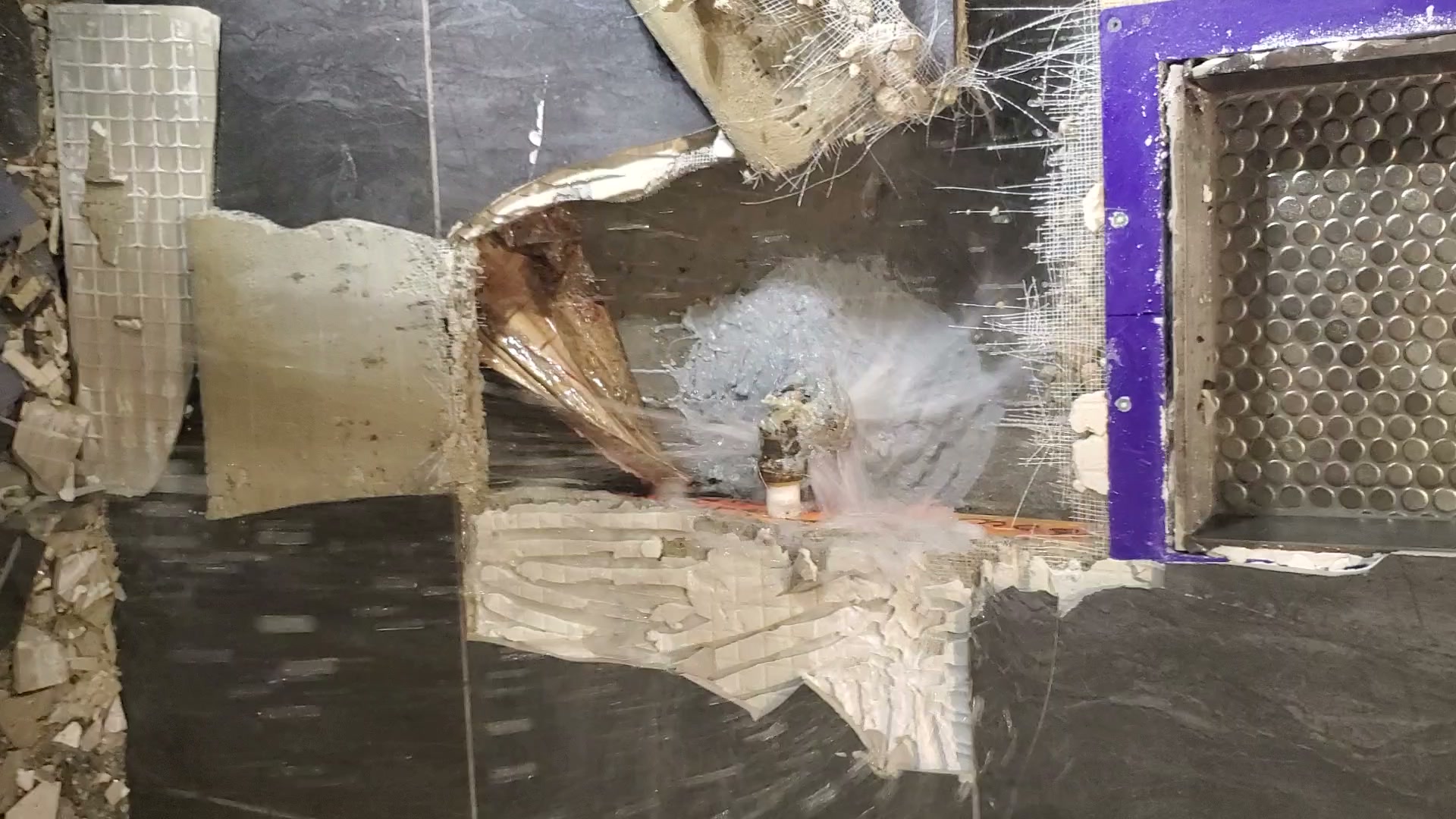
Affected assemblies identified using moisture meters and thermal imaging.
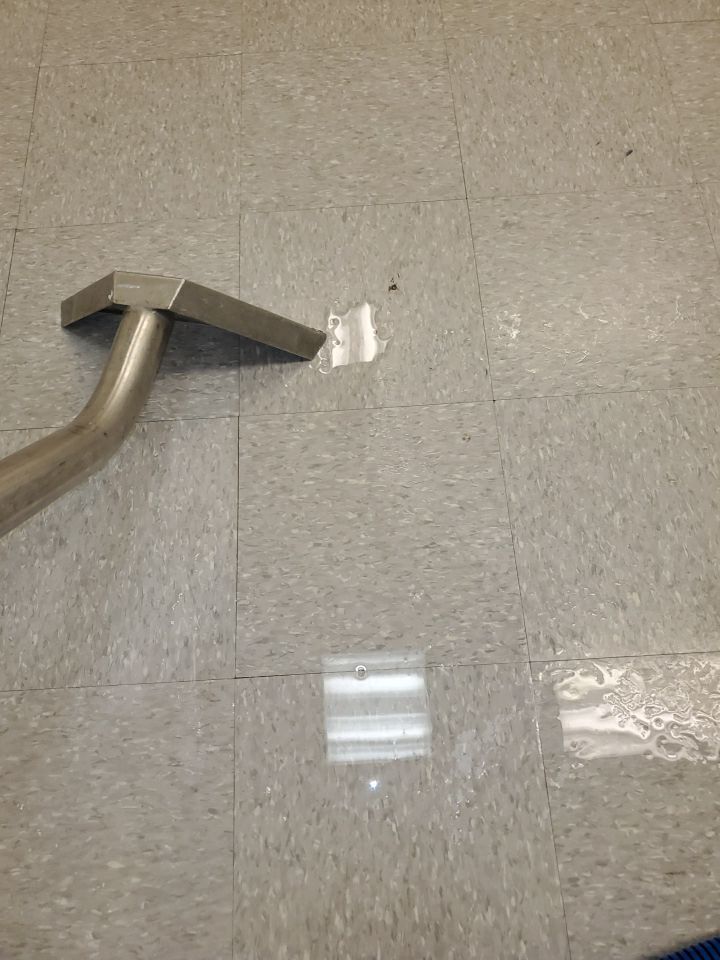
Standing water is extracted from floors, cavities, and affected assemblies before structural drying begins.
Air movers and dehumidifiers placed per moisture map and established drying goals.
Daily moisture readings verify drying progress and ensure affected materials reach industry drying standards before equipment is removed.
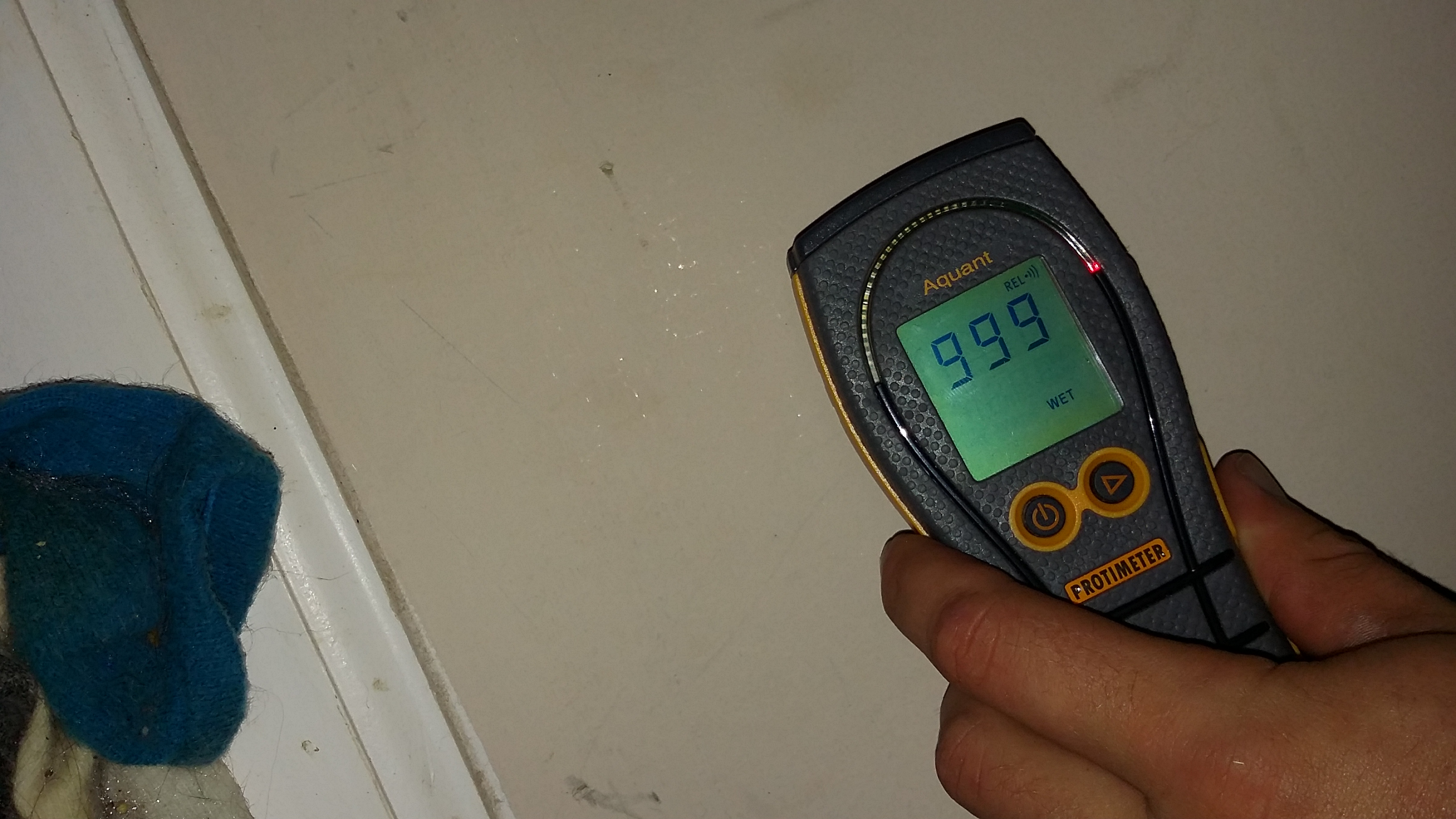
Final meter readings confirm dry standard before equipment is removed from site.
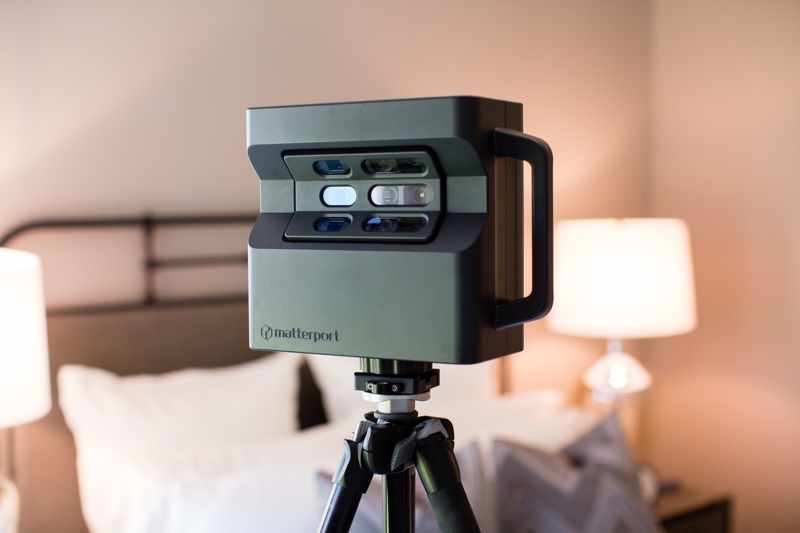
Every project is documented with photos, moisture readings, drying logs, and Matterport 3D scans to support insurance review and restoration planning.
Moisture Science
Standing water is visible. Hidden moisture is not. Water travels behind drywall, under hardwood, and into insulation long after floors look dry.
Cupping floors, musty odors, and stained ceilings often mean moisture remains trapped behind assemblies. Without mapping and daily verification, that moisture weakens structure and invites mold.
Grady maps affected assemblies on arrival, monitors readings daily, and documents dry-out to industry standard — protecting both your property and your claim.
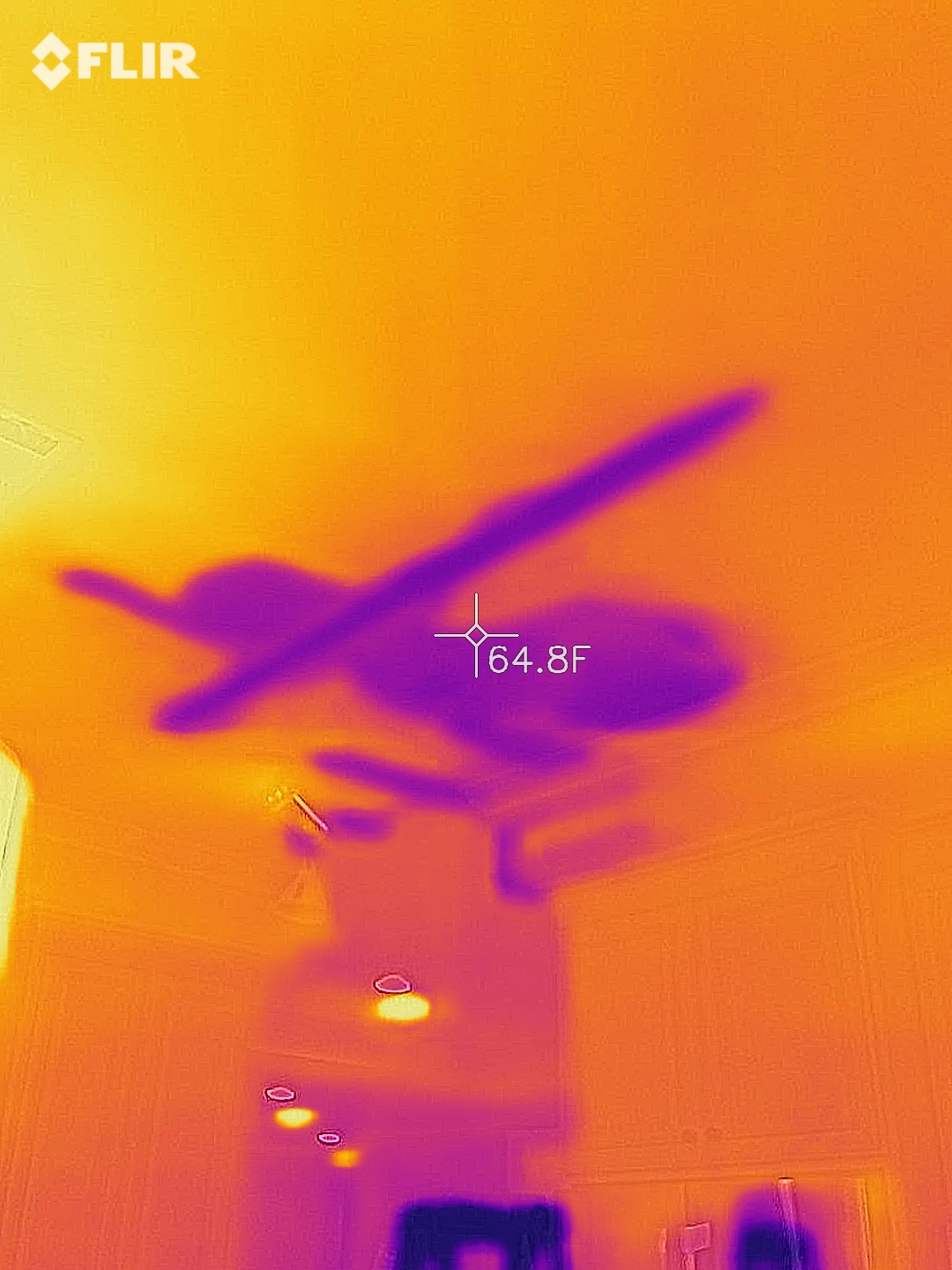
Thermal Imaging
Identifies temperature differences that reveal moisture behind finishes.
Moisture Mapping
Documents affected assemblies before drying equipment is placed.
Moisture Meter Readings
Pin and non-invasive readings tracked against material dry standards.
Daily Verification
Readings logged each day until the structure meets verified dry-out.
Claims Support
Carriers need a documented drying story. Grady captures it from first arrival — not as an afterthought.
Job Photos
Date-stamped images of affected areas, equipment placement, and drying progress.
Moisture Readings
Daily meter readings compared against dry standards for each affected material.
Drying Logs
Equipment run times, ambient conditions, and dehumidifier performance tracked daily.
Matterport / 3D Documentation
Immersive capture when scope, layout, or pre-existing conditions require detailed documentation.
Xactimate Estimates
Industry-standard line-item estimates aligned with documented scope and carrier expectations.
Carrier Communication
Direct coordination with adjusters to provide updates, answer questions, and reduce claim delays.
Need help documenting a water damage claim?
Call 800-773-1658Claims Education
Insurance carriers approve claims based on evidence — not assumptions. A professional water loss requires a documented record of what was wet, what was done, and when the structure reached dry standard.
Grady collects that record throughout the project. Adjusters can follow the drying story from first arrival through final verification without gaps in the data.
Field Documentation
Documented residential and commercial projects — engineered drying, full documentation, verified dry-out.
Each cause produces a different loss pattern. Understanding the source helps determine extraction scope, drying strategy, and documentation requirements.
Burst Pipe
A supply line fails under pressure and releases water into wall cavities and finished spaces. Extraction and cavity drying are typically required within the first hours.
Learn MoreWater Heater Failure
A tank rupture or connection leak can release dozens of gallons into a garage, closet, or adjacent room. Fast extraction limits subfloor and structural damage.
Learn MoreDishwasher Leak
Supply or drain line failures saturate kitchen flooring and often travel into the subfloor and adjacent rooms. Moisture mapping defines the full affected area.
Learn MoreToilet Overflow
A drain backup sends water across bathroom floors and into subfloor assemblies. Category assessment determines whether standard or contaminated-water protocols apply.
Learn MoreHVAC Overflow
Condensate drain clogs or pan overflows introduce water into ceilings and wall cavities. Hidden moisture often extends beyond the visible stain.
Learn MoreStorm Intrusion
Wind-driven rain enters through roof, window, or siding failures. Attic insulation and wall cavities often require mapping before drying begins.
Learn MoreRoof Leak
Slow roof leaks saturate insulation and ceiling drywall over time. By the time staining appears, moisture may have traveled across multiple assemblies.
Learn MoreCrawlspace Water
Groundwater, drainage failure, or plumbing leaks collect below the home. Crawlspace moisture affects structural members and indoor air quality if left unaddressed.
Learn MoreCommercial-grade equipment, remote monitoring, and specialty drying for complex assemblies — matched to each loss.
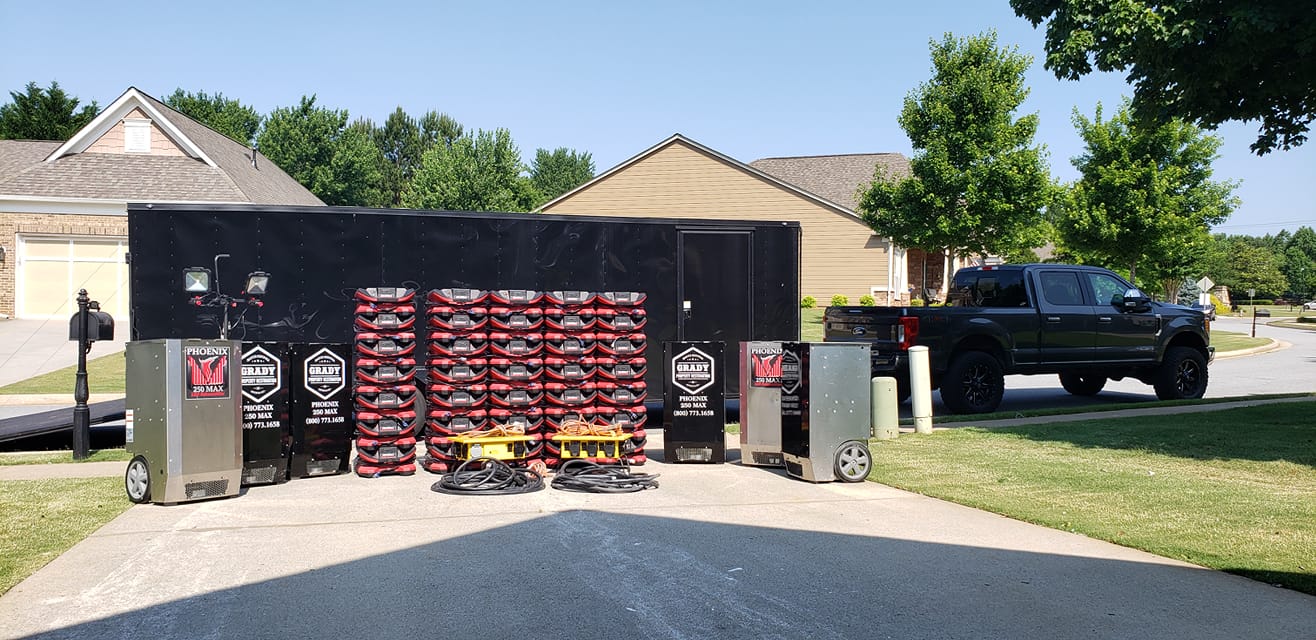
Phoenix AirMax® Air Movers
High Velocity Structural Drying
Professional air movers accelerate evaporation across wet structural materials by creating controlled airflow throughout the affected area. Proper placement is calculated to maximize drying efficiency while reducing unnecessary demolition.
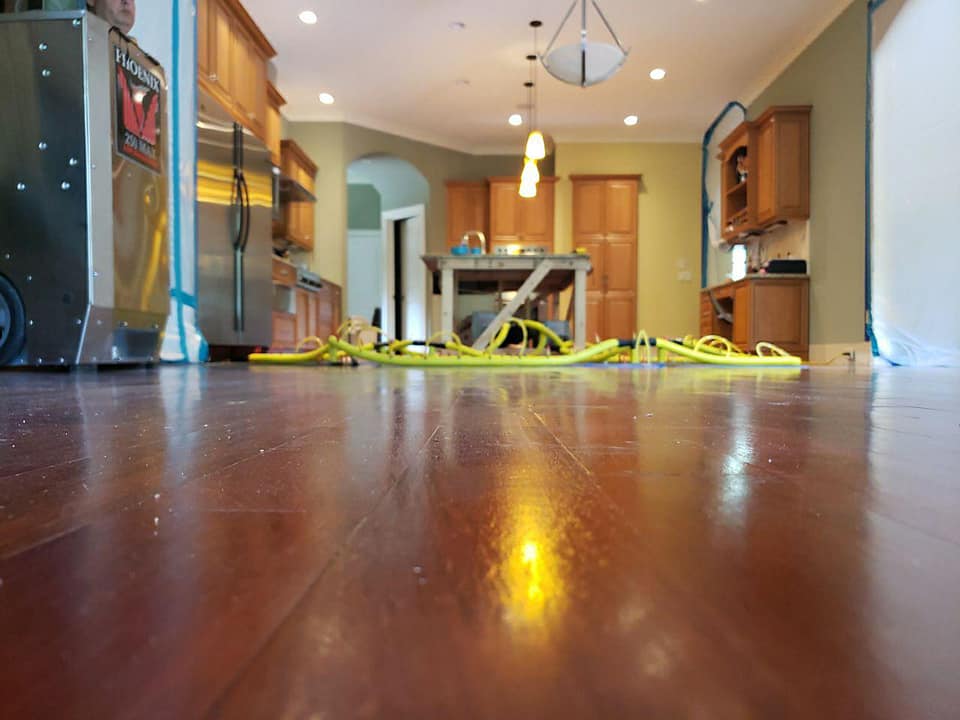
Phoenix DryMAX XL®
Low Grain Refrigerant Dehumidification
LGR dehumidifiers remove moisture from the air, creating the environmental conditions necessary for trapped moisture inside structural materials to migrate into the drying chamber.
Phoenix DryLINK®
Remote BLE + LTE Monitoring
Phoenix DryLINK technology allows our team to remotely monitor equipment status, environmental conditions, and drying progress between scheduled visits. Bluetooth and LTE connectivity provide real-time equipment monitoring, power interruption alerts, and environmental trend tracking throughout the drying process.
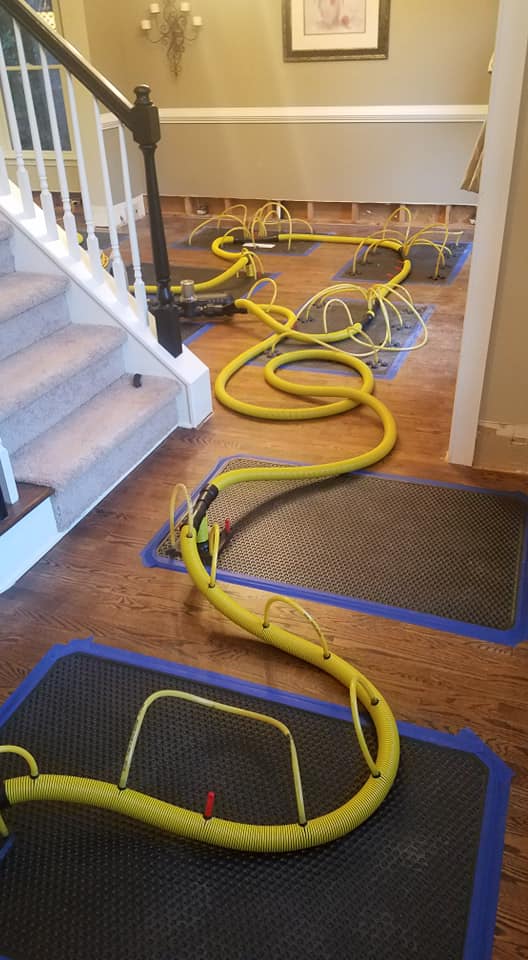
Injectidry®
Specialty Structural Drying
Injectidry systems deliver targeted airflow into wall cavities, beneath hardwood flooring, behind cabinets, stair assemblies, toe-kicks, and other concealed spaces. These specialty techniques can often reduce demolition while accelerating structural drying.
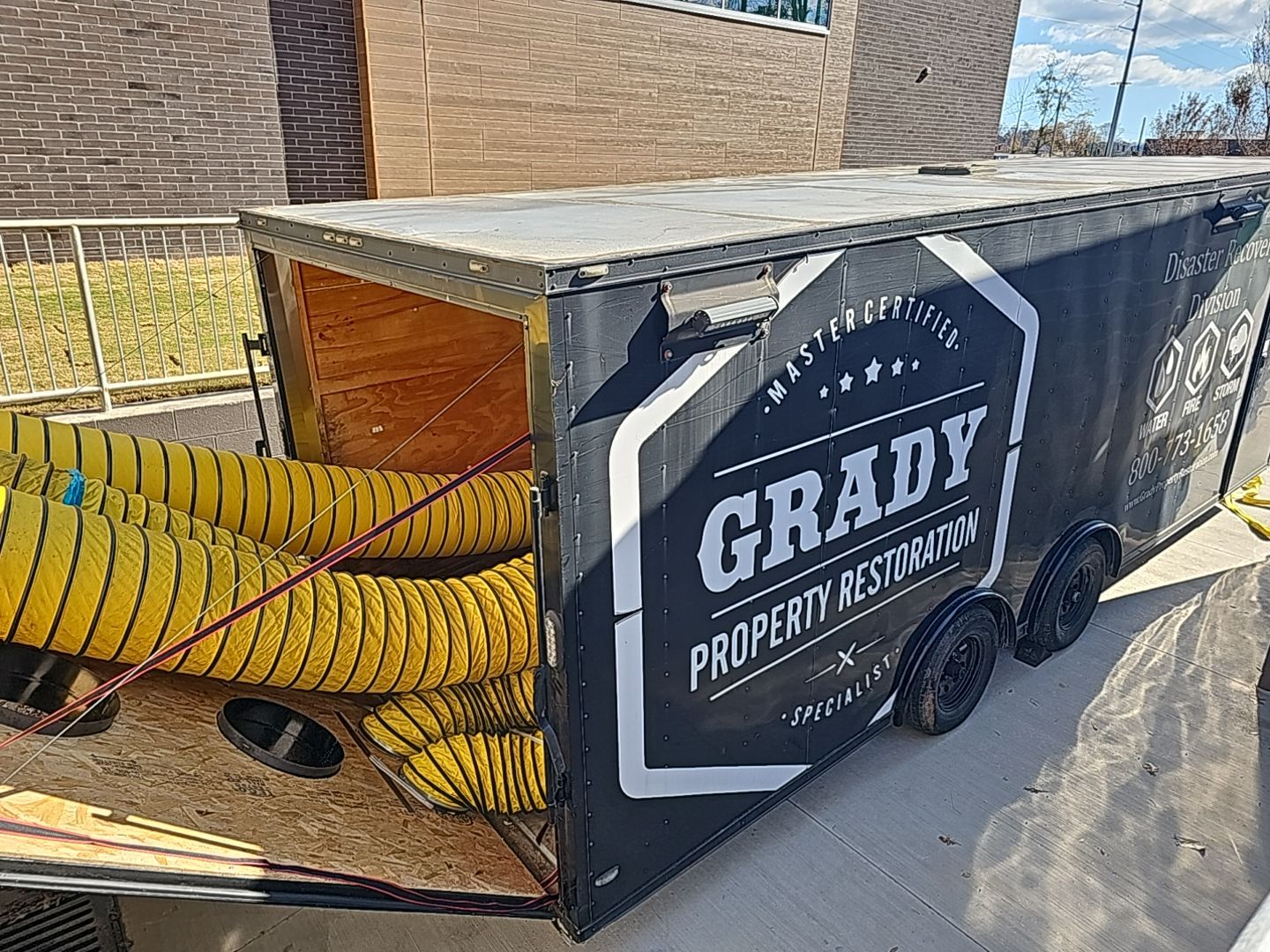
Commercial Desiccant Systems
Large Loss Drying Systems
Large commercial and institutional losses often require engineered drying systems beyond conventional residential equipment. Trailer-mounted drying systems, desiccant dehumidification, high-capacity air distribution, temporary power, and specialty equipment allow Grady to respond to schools, warehouses, healthcare facilities, manufacturing plants, gymnasiums, bowling alleys, churches, and other complex structures.
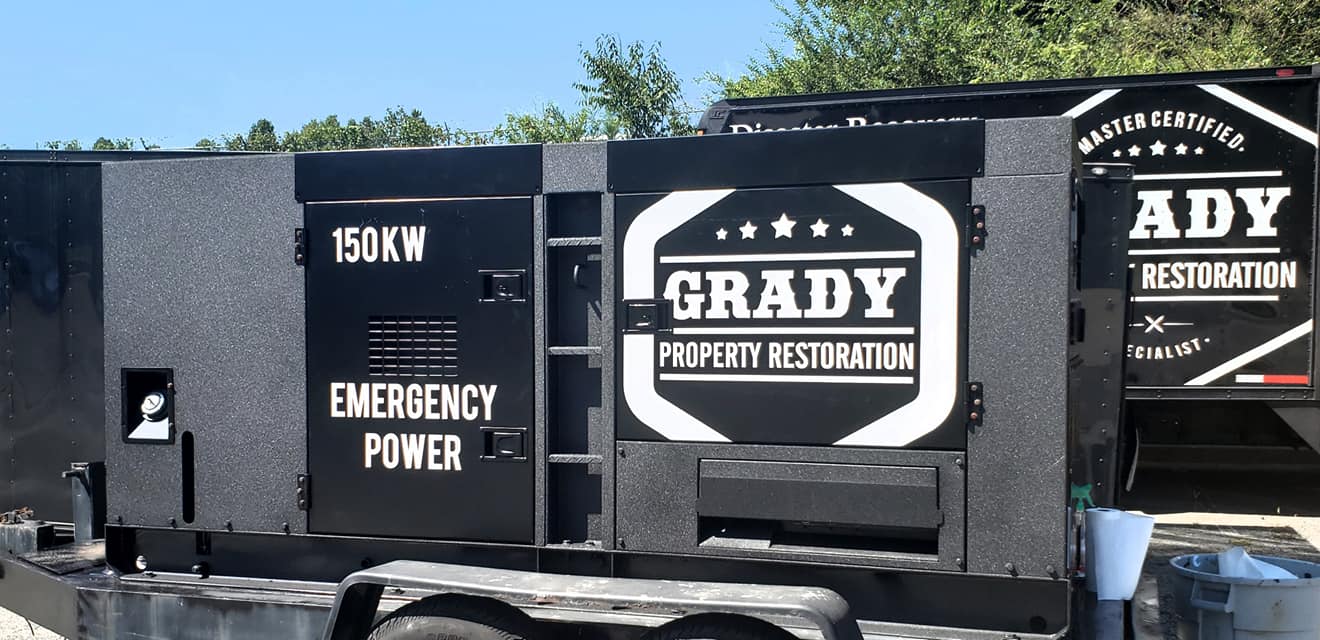
Emergency Generator Systems
Temporary Power Solutions
Drying operations cannot stop when utility power is unavailable. Single-phase and three-phase generator systems provide temporary power for drying equipment during outages, disaster response, and large commercial water losses.
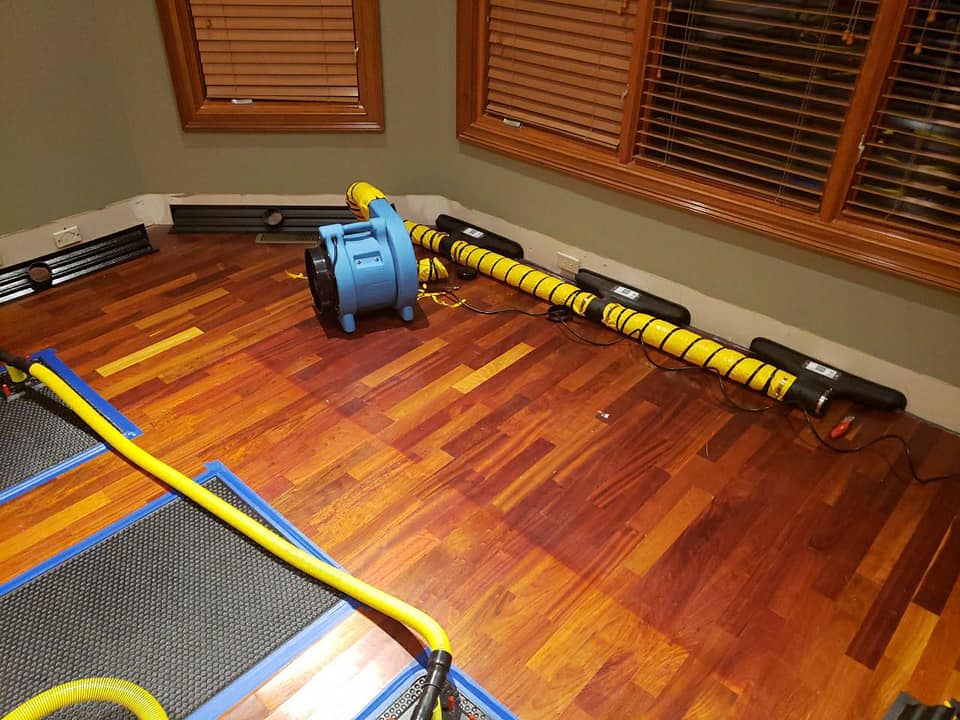
Engineered Drying Strategies
Custom Drying Plans
Every structure dries differently. Our technicians develop customized drying strategies for hardwood flooring, gymnasium courts, bowling alleys, crawlspaces, plaster assemblies, specialty flooring systems, and complex structural components.
Commercial Drying Chambers
Engineered Environmental Control
Temperature, humidity, and airflow are carefully managed to create an efficient drying chamber around affected materials. Controlled environmental conditions improve drying performance while helping minimize secondary damage.
Professional Restoration Equipment
Built For Complex Water Losses
Every project receives equipment selected specifically for the structure, materials, and category of water loss. Our drying systems are designed to adapt from small residential losses to complex commercial restoration projects.
When water damage happens, local response matters. Grady Property Restoration responds across Cumming, Forsyth County, and surrounding North Georgia communities with emergency extraction, structural drying, moisture mapping, and insurance-ready documentation.
Don’t see your city? Call us — crews may still be available depending on the loss size and location.
Water damage should be addressed immediately. Standing water and elevated moisture begin affecting materials within hours and can lead to secondary damage, odor, and mold risk. Grady provides 24/7 emergency response for extraction and stabilization.
Yes. Grady dispatches emergency crews for water extraction, pump-out, and initial drying throughout Cumming and North Georgia. We arrive with commercial extraction and drying equipment ready to deploy.
Yes. We document water damage with photos, moisture readings, drying logs, and scope details carriers expect. Our team supports Xactimate estimating and direct carrier communication when needed.
We use moisture meters, thermal imaging, and documented drying logs to verify moisture levels in affected materials. Drying is complete when readings meet industry standards — not when surfaces simply look dry.
Yes. We handle Category 3 water losses including sewage backups and contaminated water events with proper containment, PPE, removal, and disinfection protocols.
Yes. Mold can develop when moisture remains in building materials beyond 24 to 48 hours. Fast extraction, moisture mapping, and structural drying reduce that risk and protect your property.
Yes. Grady serves Cumming, Forsyth County, and surrounding North Georgia communities including Alpharetta, Johns Creek, Roswell, Dawsonville, Canton, and Suwanee.
Call Grady now for emergency response, extraction, drying, and documentation.