24/7 Biohazard Response
Cat3 crews dispatched with containment and sanitation equipment.
Category 3 black water demands immediate containment, extraction, and sanitation — not a mop and bucket. Grady responds across Cumming and North Georgia with biohazard protocols, HEPA containment, and insurance-ready documentation from first arrival through clearance.
Contaminated water spreads pathogens with every hour of delay.
Sewage backup is not a standard water loss. You need a team trained in Category 3 protocols — containment first, removal where required, and sanitation verified before anyone re-occupies the space.
Category 3 Trained Crews
Technicians arrive with Cat3 PPE, HEPA containment supplies, and biohazard disposal protocols — not residential drying equipment alone.
Immediate Containment
Affected zones are isolated on arrival to stop pathogen migration into clean areas, HVAC systems, and adjacent rooms.
Porous Material Protocols
Carpet, pad, drywall, and insulation exposed to black water are assessed for removal — not masked with surface cleaning.
Antimicrobial & Clearance Testing
Hospital-grade antimicrobials are applied per label and scope. ATP clearance testing verifies sanitation before rebuild begins.
Biohazard Documentation
Containment logs, removal records, treatment applications, and disposal manifests are captured for carrier review.
Licensed Category 3 Response
IICRC S500 Category 3 standards and Georgia trauma licensing — with containment, treatment, and documentation adjusters expect on regulated sewage claims.
From a single toilet backup to a main line failure affecting multiple units, Grady contains the contamination, removes unsalvageable materials, and restores the structure to a documented sanitary condition.
Main Line Backups
A blocked or collapsed sewer main forces raw sewage back through floor drains, tubs, and lowest fixtures in the home.
Toilet Overflows
A clogged drain or failed wax ring releases Category 3 water across bathroom floors and into subfloor assemblies below.
Floor Drain Backups
Basement and garage floor drains can reverse flow during municipal line surcharges or heavy rain events.
Septic System Failures
Overflowing tanks, saturated drain fields, or line breaks introduce untreated waste into living spaces and crawlspaces.
Commercial Sewage Events
Restaurants, offices, and retail spaces require rapid containment to limit business interruption and regulatory exposure.
Basement Sewage Flooding
Lower-level finished spaces absorb black water into carpet, drywall, and stored contents requiring controlled demolition.
Multi-Unit Sewage Losses
Stack backups in condos and apartments can affect multiple floors — each unit requires isolated containment and scope.
Storm-Sanitary Cross-Connections
Combined sewer overflow or storm drain intrusion introduces contaminated water through foundation and utility penetrations.
Sewage is not ordinary water damage. Category 3 conditions require health controls, material decisions, disciplined cleaning, and documentation from first assessment through final clearance.
Documented Process
Every Category 3 loss follows a controlled sequence — containment before extraction, removal before drying, clearance before rebuild. This is the protocol Grady executes on sewage cleanup projects.
Loss source, contamination extent, and occupant safety assessed. Cat3 dispatch initiated with containment supplies on board.
Biohazard crew mobilized with HEPA containment, Cat3 extraction equipment, and documentation tools ready to deploy.
.jpg)
HEPA-filtered barriers, negative air, and clean-to-dirty zones established before any extraction begins.
Category 3 water is extracted using dedicated equipment. Contaminated waste is contained and prepared for proper disposal.
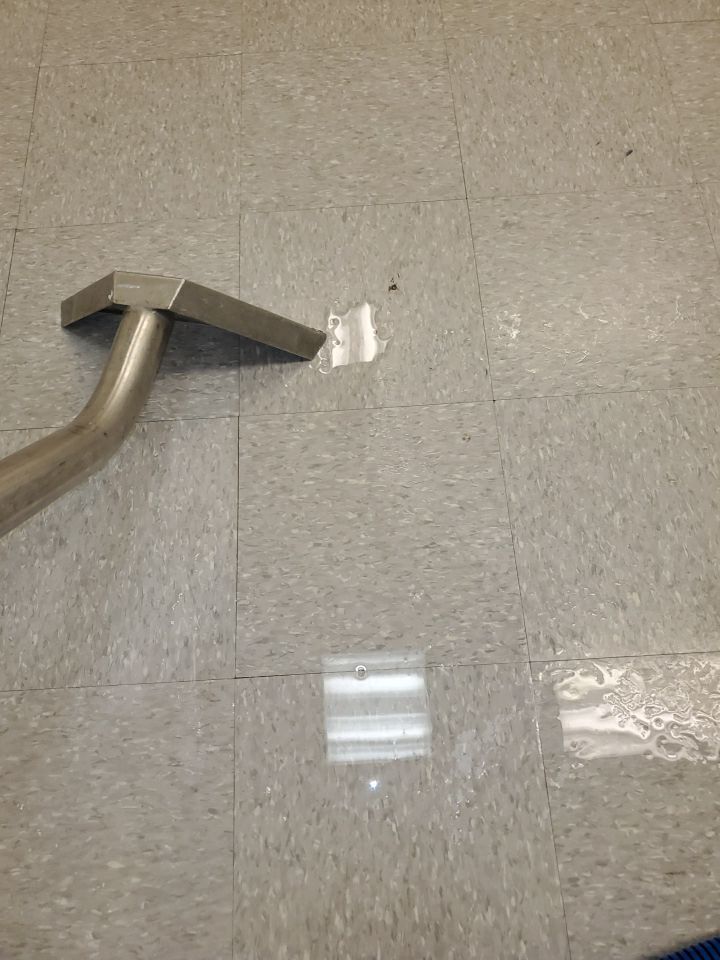
Unsalvageable carpet, pad, drywall, and insulation are removed, bagged, and documented for disposal and insurance scope.
Hospital-grade antimicrobials applied to structural surfaces per label, scope, and IICRC sanitation requirements.
After sanitation, remaining structural assemblies are dried to verified moisture standards before clearance and rebuild.
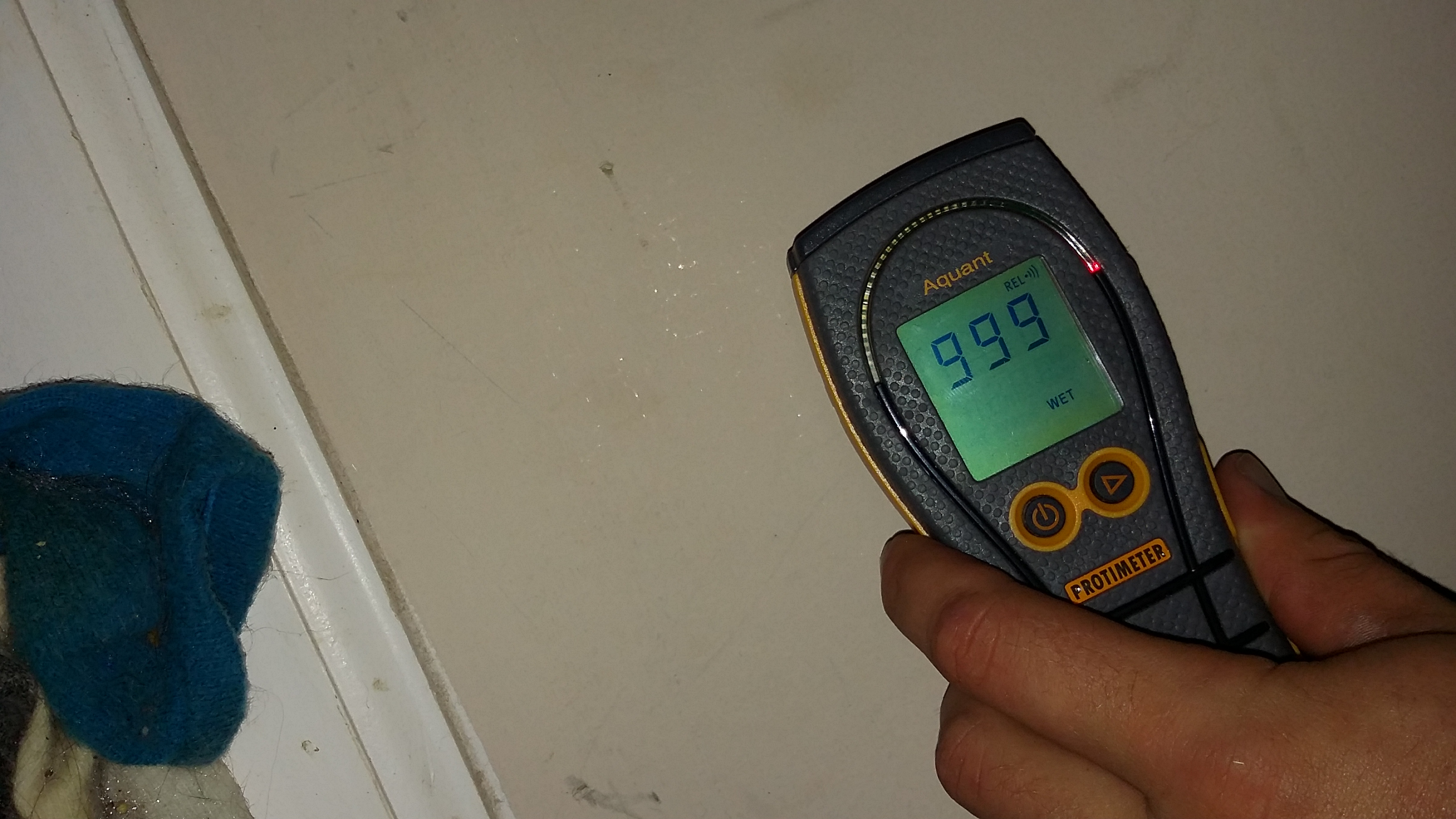
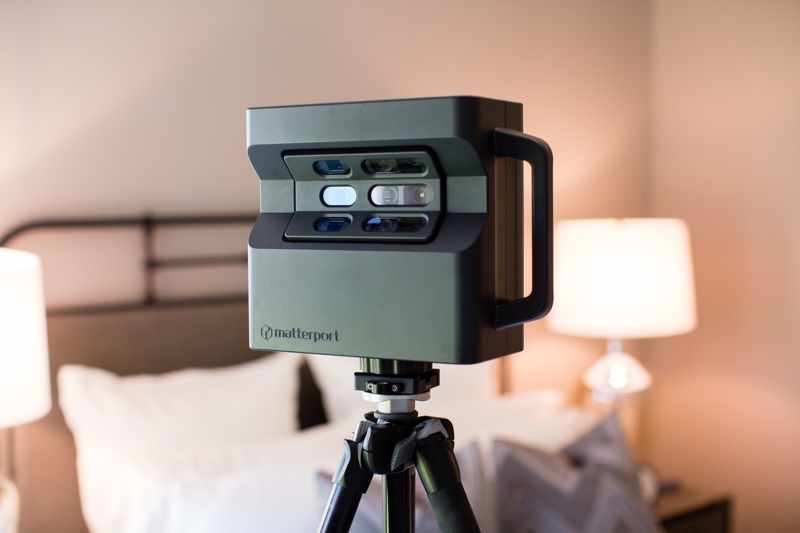
ATP results, moisture logs, Matterport capture, and disposal records compiled into a clearance file for insurance and rebuild planning.
Pathogen Control
Sewage is visible on the floor. Pathogen migration is not. Black water wicks into porous materials, travels through wall cavities, and contaminates HVAC pathways long after the surface looks wiped clean.
Foot traffic, improper cleanup, and delayed containment spread bacteria and organic waste into previously unaffected rooms. Without HEPA barriers, absorption mapping, and verified clearance, contamination persists in materials you cannot see.
Grady isolates the loss zone on arrival, controls equipment and waste flow, and documents sanitation through ATP clearance — protecting both occupant health and your insurance claim.
Pathogen Containment Zones
HEPA-filtered barriers and negative air isolate Cat3 areas from clean living spaces.
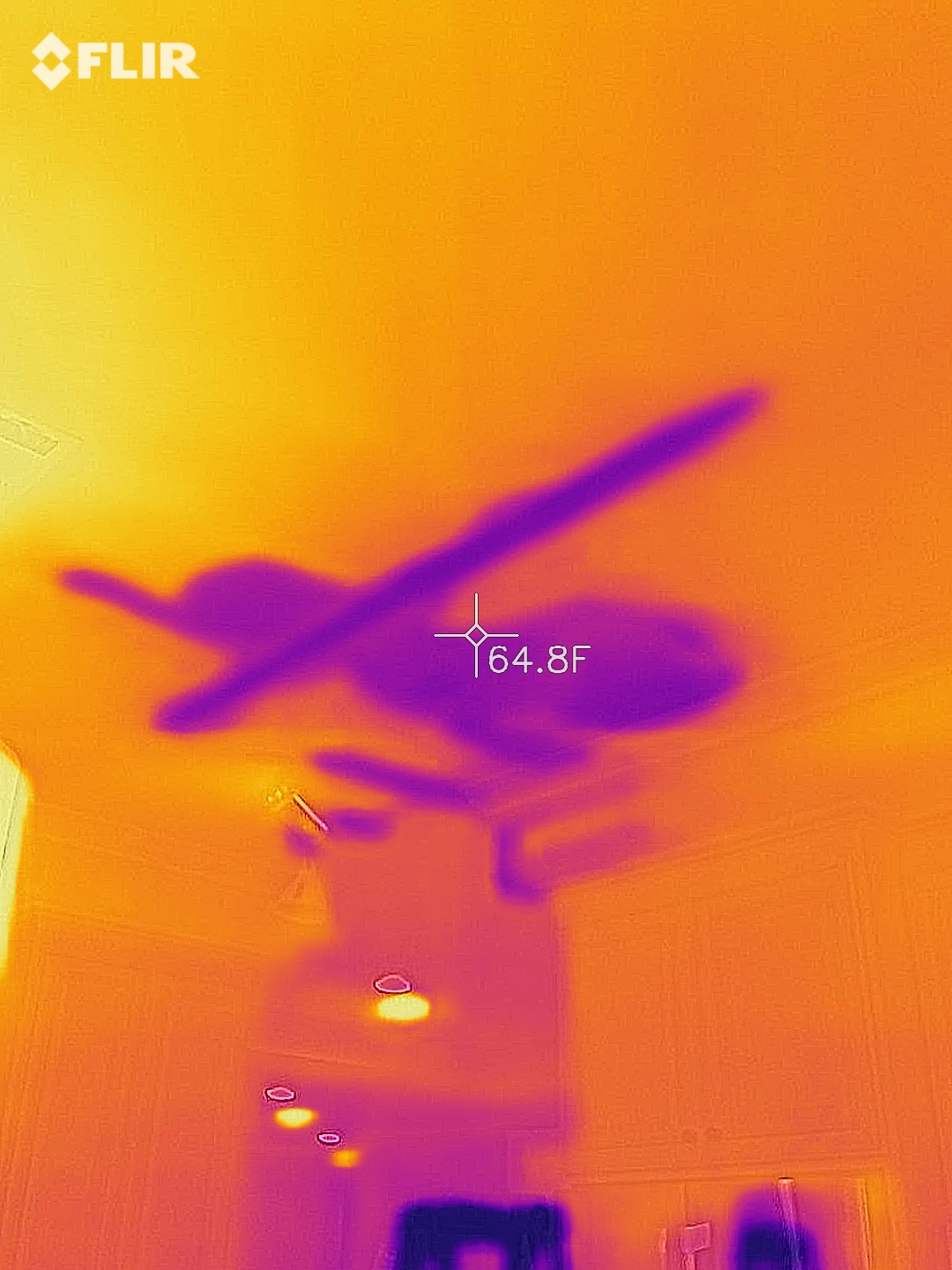
Absorption Mapping
Thermal and moisture tools identify where black water has wicked beyond visible staining.
Cross-Contact Prevention
Clean-to-dirty workflow, dedicated PPE, and controlled equipment staging limit spread.
Post-Sanitation Verification
ATP testing and moisture logs confirm the structure meets clearance before re-occupancy.
Claims Support
Sewage claims require a documented biohazard story — not just photos of wet floors. Grady captures Cat3 scope from containment through clearance.
Contamination Zone Photos
Date-stamped images of affected areas, containment barriers, and pre-removal conditions.
PPE & Containment Logs
Documented setup of HEPA barriers, negative air, and Cat3 personal protective equipment protocols.
Material Removal Records
Line-item documentation of porous demolition, bagging, and disposal scope for adjuster review.
Antimicrobial Application Records
Product, concentration, coverage area, and application timestamps logged per sanitation protocol.
ATP Clearance Results
Post-sanitation testing data confirming surfaces meet acceptable biological load thresholds.
Biohazard Disposal Manifests
Waste haul-off records and disposal documentation for contaminated materials removed from site.
Need help documenting a sewage or Category 3 claim?
Call 800-773-1658Claims Education
Sewage claims face higher scrutiny than clean water losses. Carriers need proof of contamination extent, proper Cat3 protocols, material removal necessity, and verified clearance — not assumptions that the area was sanitized.
Grady builds that record throughout the project. Adjusters can follow the biohazard story from containment setup through ATP clearance without gaps in scope or protocol documentation.
Field Documentation
Every Category 3 loss presents unique contamination patterns. Explore documented sewage cleanup projects to see how Grady Property Restoration contains black water, removes unsalvageable materials, and delivers verified sanitary clearance using biohazard protocols and professional documentation.
Each source produces a different contamination pattern. Understanding the cause helps determine containment scope, removal requirements, and documentation for your Category 3 claim.
Main Line Blockage
Tree roots, grease buildup, or pipe collapse in the municipal or private sewer main forces raw sewage back through the lowest drains in the structure.
Learn MoreToilet Sewage Overflow
A blocked trap or failed wax ring releases Category 3 water across bathroom floors and into subfloor cavities — requiring immediate containment.
Learn MoreFloor Drain Backup
Basement and garage floor drains reverse flow when the sewer line is overloaded, introducing black water into finished lower levels.
Learn MoreSeptic System Failure
Full tanks, saturated drain fields, or broken distribution lines push untreated waste back into the home through fixtures and floor drains.
Learn MoreCommercial Restroom Backup
High-volume plumbing failures in restaurants, offices, and retail spaces demand rapid Cat3 response to limit exposure and downtime.
Learn MoreBasement Sewage Intrusion
Lower-level spaces absorb black water into carpet, drywall, and stored contents — porous materials typically require removal, not surface cleaning.
Learn MoreMulti-Unit Stack Backup
Shared plumbing stacks in condos and apartments can push sewage into multiple units simultaneously — each requiring isolated containment.
Learn MoreStorm-Sanitary Overflow
Heavy rain overwhelms combined sewer systems, forcing contaminated water through floor drains and foundation penetrations.
Learn MoreCategory 3 remediation requires more than extraction and fans. Every sewage loss is managed through HEPA containment, dedicated Cat3 equipment, antimicrobial treatment, verified clearance, and documented biohazard protocols from first arrival through sanitary release.
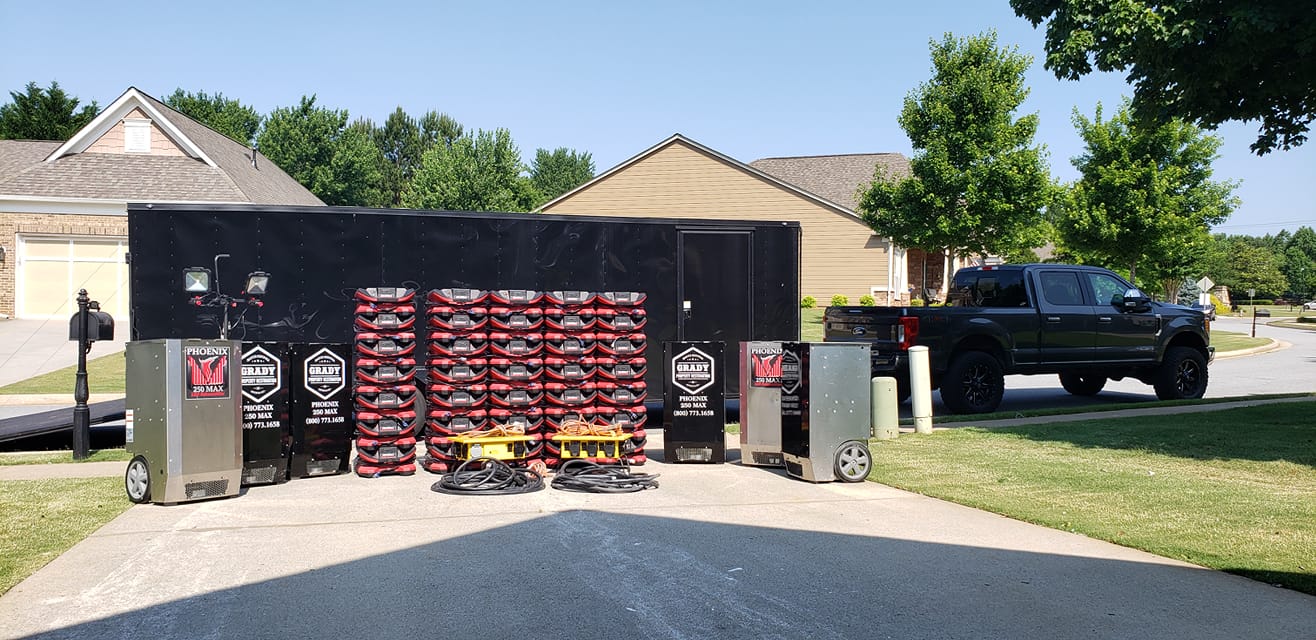
HEPA Containment Systems
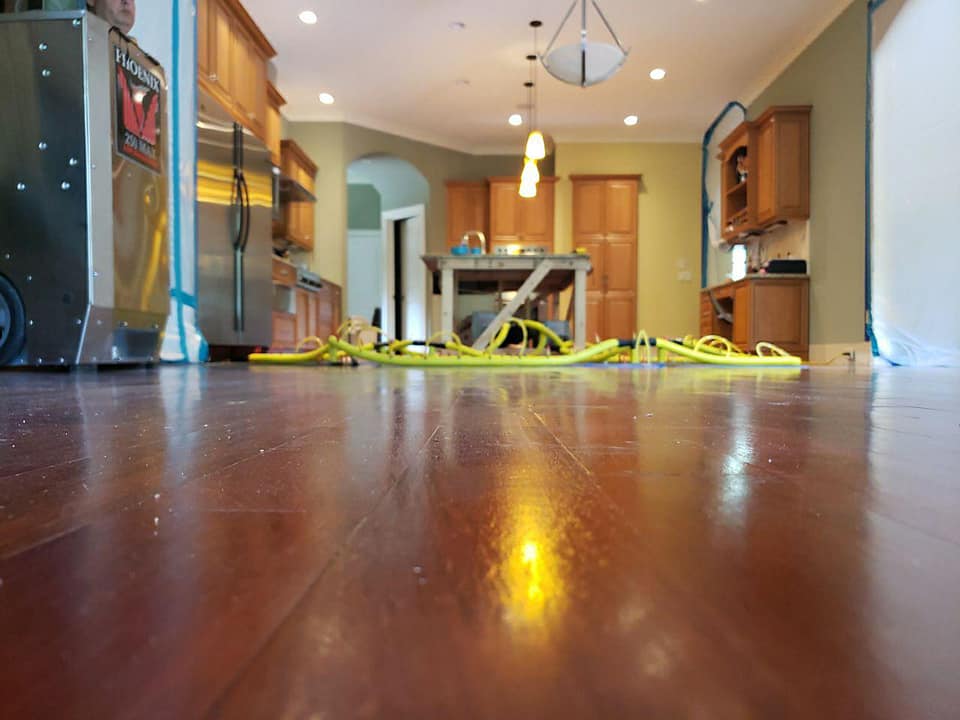
Isolated Biohazard Zones
Negative-air HEPA containment chambers isolate Category 3 areas from clean living spaces. Barriers are erected before extraction to prevent pathogen migration through foot traffic, airflow, and equipment movement.
Category 3 PPE Protocols
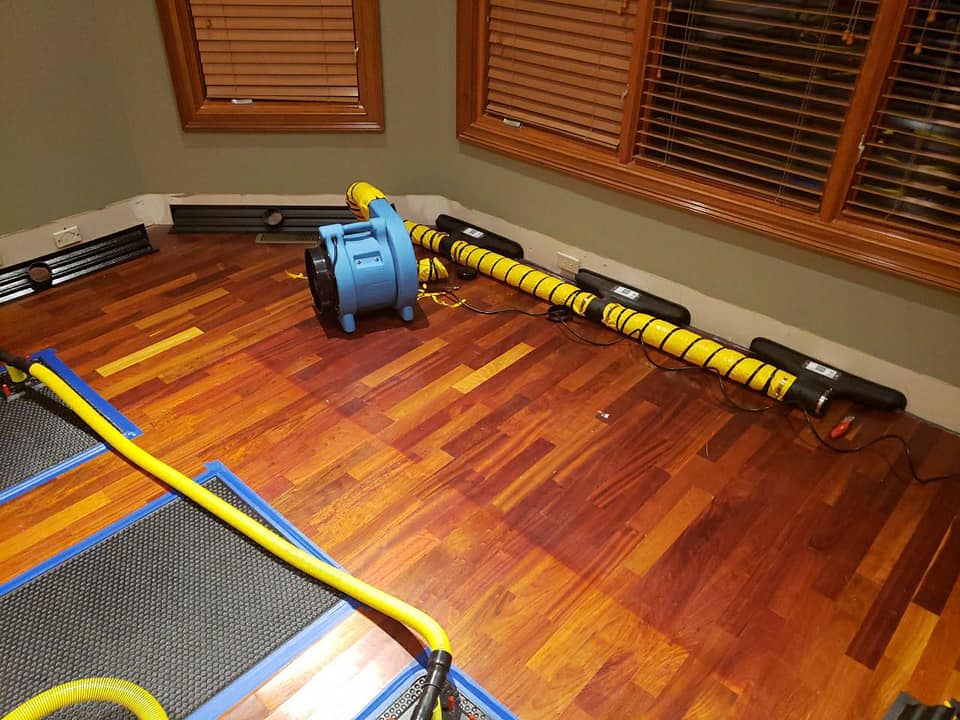
Full Biohazard Protection
Technicians enter Cat3 zones with full-face respirators, impermeable suits, double-gloving, and dedicated boot protocols. PPE donning and doffing sequences are controlled to prevent cross-contamination between zones.
Cat3 Extraction Equipment
Dedicated Black Water Extraction
Category 3 water is extracted using equipment dedicated to biohazard losses — never shared with clean-water jobs. Extracted waste is contained, labeled, and routed for proper disposal per local regulations.
Hospital-Grade Antimicrobials
Verified Sanitation Treatment
EPA-registered antimicrobials are applied to exposed structural surfaces after porous removal. Product, concentration, coverage area, and dwell time are logged for insurance and clearance documentation.
Porous Material Removal
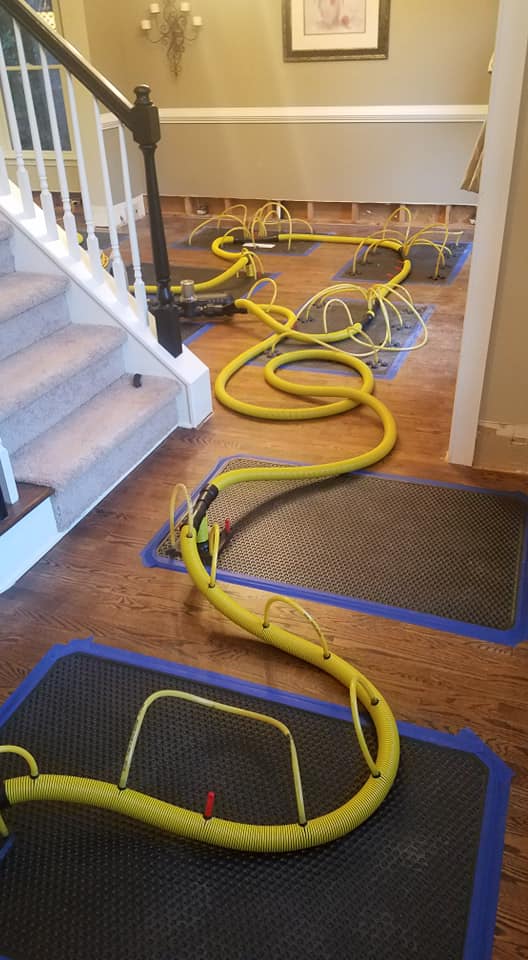
Controlled Cat3 Demolition
Carpet, pad, drywall, insulation, and soft furnishings exposed to black water are removed within containment, double-bagged, and documented. Structural framing is cleaned and treated — not sealed over contaminated materials.
Post-Sanitation Drying
Structural Drying After Clearance Prep
Once antimicrobial treatment is complete, remaining structural assemblies are dried to verified moisture standards. Drying begins only after sanitation — not as a substitute for proper Cat3 remediation.
ATP Clearance Testing
Verified Sanitary Release
Adenosine triphosphate testing measures biological load on treated surfaces. Readings must meet acceptable thresholds before the area is released for rebuild — providing objective clearance data for insurance and occupant confidence.
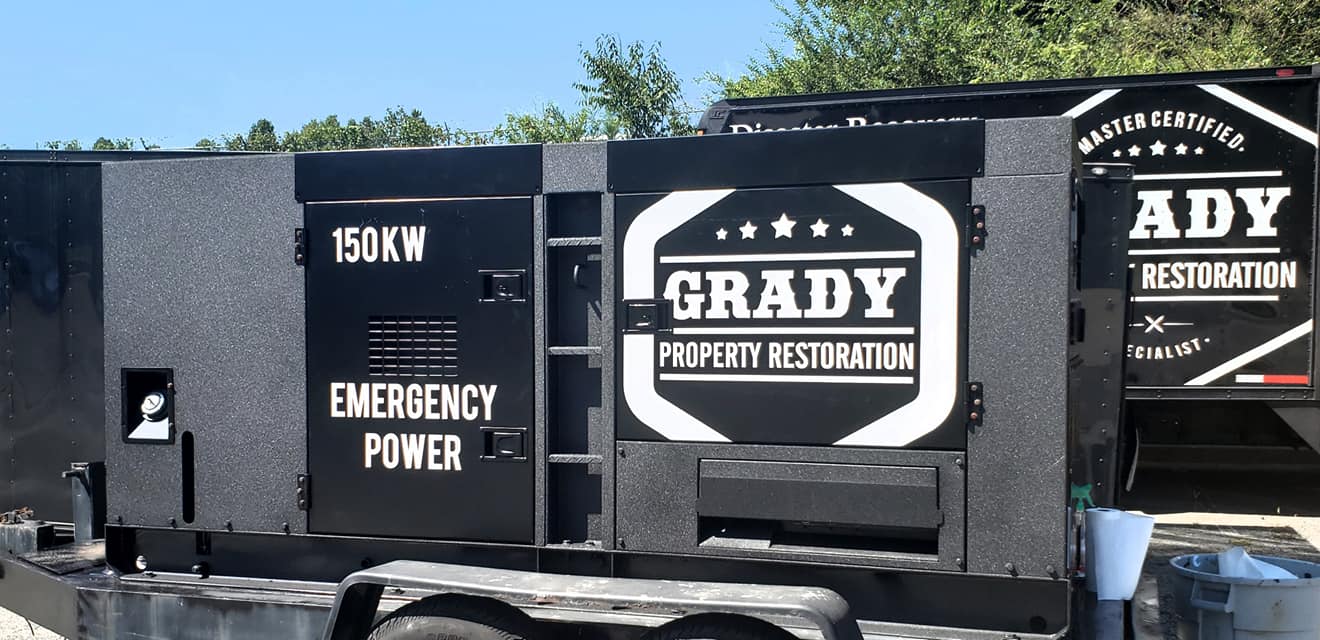
Biohazard Disposal
Regulated Waste Haul-Off
Contaminated porous materials, PPE, and extraction waste are bagged, labeled, and transported by licensed haulers. Disposal manifests are retained in the project file for regulatory and insurance compliance.
Documented Protocols
Built For Category 3 Losses
Every sewage project follows IICRC S500 Category 3 standards with documented containment, removal, treatment, drying, and clearance records. Our sanitation system adapts from single-room backups to multi-unit commercial biohazard events.
When sewage backs up, local biohazard response matters. Grady Property Restoration responds across Cumming, Forsyth County, and surrounding North Georgia communities with Category 3 containment, black water extraction, and insurance-ready clearance documentation.
Don’t see your city? Call us — crews may still be available depending on the loss size and location.
Sewage is Category 3 water — grossly contaminated black water containing pathogens, bacteria, and organic waste. It requires immediate containment, proper PPE, removal of affected porous materials, and professional antimicrobial treatment. Grady responds 24/7 to stabilize the loss and prevent cross-contamination.
Avoid contact with contaminated areas. Do not walk through sewage, track it to clean rooms, or attempt DIY cleanup. Shut off HVAC if safe to do so, keep children and pets away, and call Grady immediately. Our team will guide you on isolation steps until we arrive.
In most Category 3 losses, porous materials such as carpet pad, drywall at the flood line, insulation, and soft furnishings cannot be effectively sanitized and must be removed. Grady documents all demolition and disposal for insurance review.
We establish HEPA-filtered containment barriers, use dedicated Cat3 PPE and equipment, apply negative air pressure where appropriate, and maintain clean-to-dirty workflow zones. Foot traffic, tools, and waste are controlled to keep unaffected areas isolated.
Coverage depends on your policy and the cause of loss. Grady documents contamination zones, removal scope, antimicrobial treatment, drying logs, and clearance testing to support your claim. We provide Xactimate estimates and coordinate with adjusters when needed.
After extraction, removal, antimicrobial application, and structural drying, we verify clearance using ATP testing, moisture readings, and documented sanitation protocols. Clearance records are included in the project file for insurance and peace of mind.
Yes. Grady provides 24/7 sewage and Category 3 water response across Cumming, Forsyth County, and North Georgia including Alpharetta, Johns Creek, Roswell, Dawsonville, Canton, and Suwanee.
Call Grady now for 24/7 Category 3 response, containment, sanitation, and clearance documentation.